Klara Lehmann · 2 September 2026
Portugal continues to prioritize renewable energy as a cornerstone of its economic and environmental policy. With global pressures mounting to reduce carbon emissions, the nation has set forth ambitious plans to scale up its green infrastructure. This expansion is seen as vital for meeting European Union directives and fostering long-term energy independence.
Portugal's Renewable Energy Targets for 2030
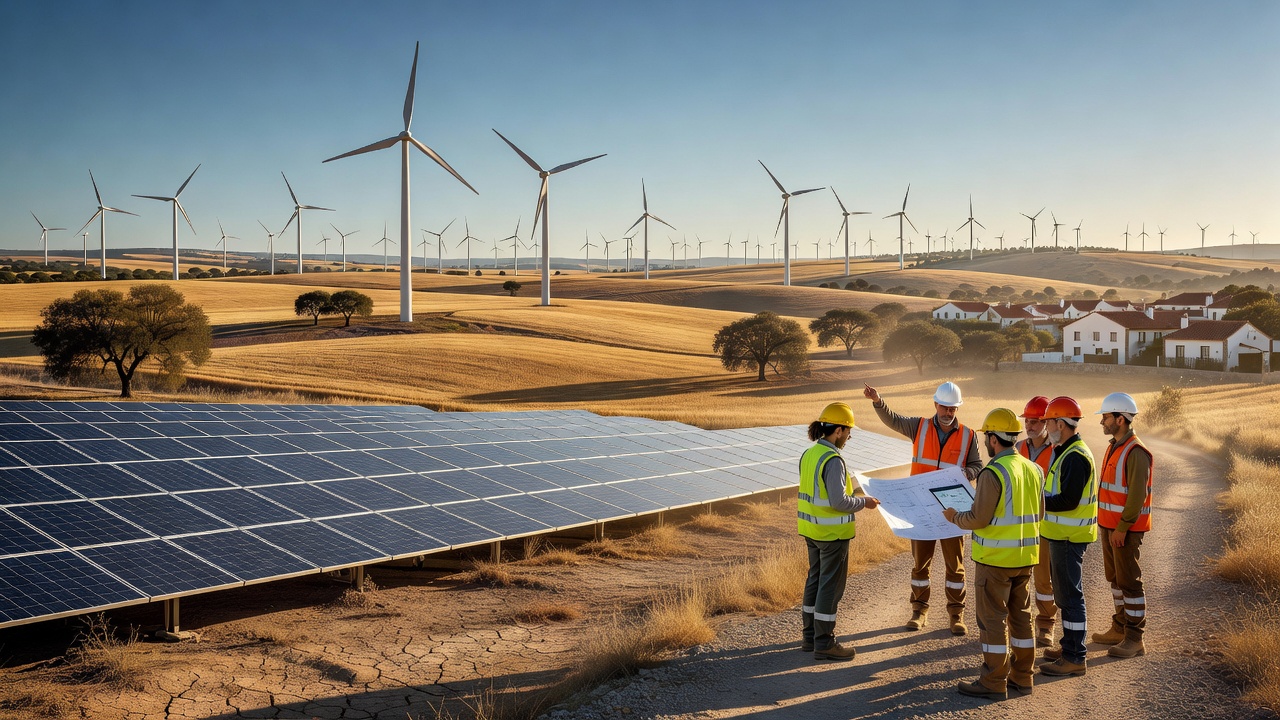
The primary objective is to reach 80 percent renewable electricity by the end of the decade. This will be achieved through a mix of solar, wind, hydro, and emerging technologies like green hydrogen. Plans include installing 10 gigawatts of new solar capacity and expanding offshore wind farms to several hundred megawatts. Funding will come from national budgets, EU recovery funds, and private investments totaling over 15 billion euros. Regional distribution focuses on the southern and central parts of the country where resources are abundant. Success metrics will track not only capacity but also efficiency and integration with existing grids.
Historical data shows Portugal leading in some renewable metrics, particularly hydropower and wind. The updated targets address gaps in solar deployment and storage solutions. Policymakers emphasize the importance of community involvement to ensure equitable benefits from these projects. Studies indicate potential reductions in greenhouse gas emissions by 45 percent compared to 1990 levels if targets are met.
Broader Regional Developments in Iberia
Iberian neighbors are watching closely as Portugal's plans could influence energy markets throughout the peninsula. Enhanced interconnections between the two countries promise to stabilize supply and facilitate renewable exports. This cooperation aligns with EU goals for a unified energy market. Economic forecasts predict job creation in manufacturing and installation sectors, boosting local economies in both nations. Environmental benefits include improved air quality and biodiversity preservation through careful project planning.
Despite optimism, hurdles such as regulatory delays and supply chain issues must be navigated. International partnerships with technology providers from Germany and Denmark are helping to overcome technical challenges. Overall, Portugal's renewable push represents a significant step toward a sustainable future for the entire Iberian region, setting an example for other European countries.