Taylor Friedrich · 2 September 2026
Portugal is accelerating its renewable energy initiatives with new expansion targets aimed at reducing carbon emissions and enhancing energy security across the country. The government has outlined plans to increase the share of renewables in the national energy mix significantly over the next decade, focusing on various sources to achieve a balanced and reliable supply.
Key Areas of Development
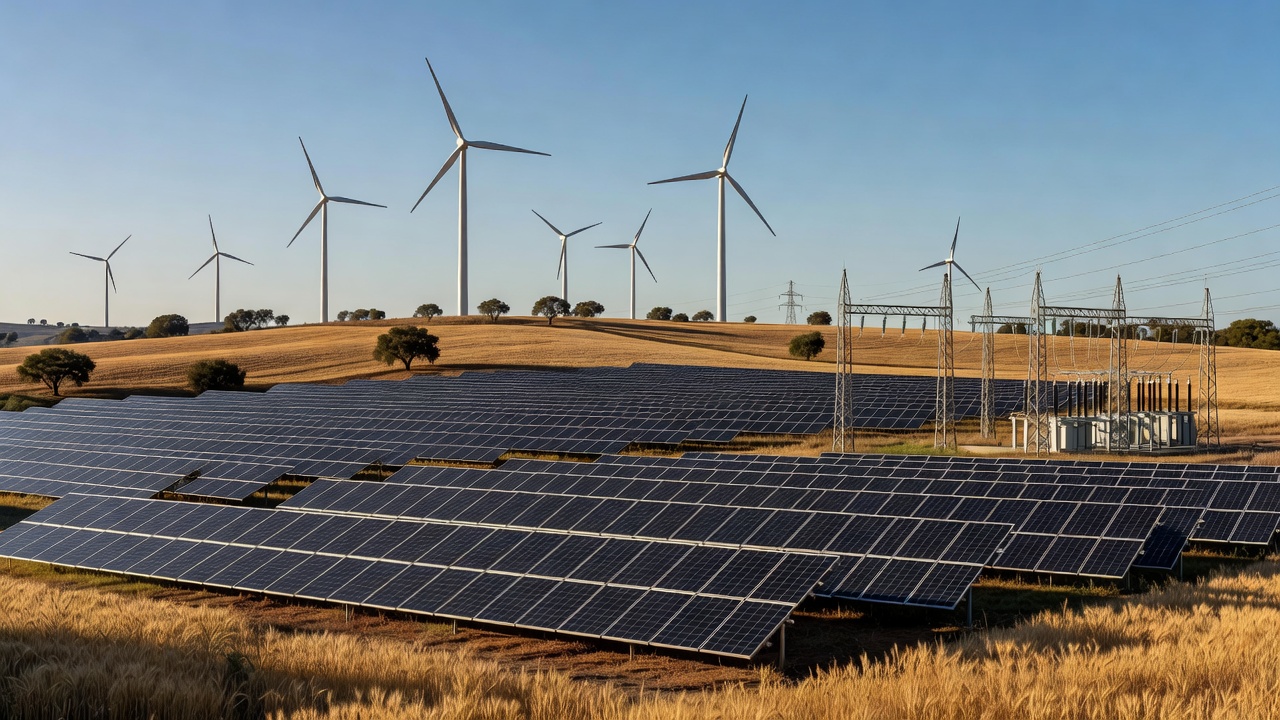
Wind energy remains a cornerstone of the strategy, with offshore projects in the Atlantic gaining momentum through new licensing rounds. Solar power installations are expanding rapidly in the southern regions, supported by favorable climate conditions and government incentives. Investments from both public and private sectors are driving technological advancements and infrastructure upgrades necessary for large scale deployment. These efforts are expected to create thousands of jobs in the green economy sector while boosting local economies in rural areas. Biomass and hydroelectric power also play vital roles, contributing to a diversified renewable portfolio that mitigates risks associated with single source dependency. The integration of smart grids is essential for managing variable energy sources effectively and ensuring stability in the power network.
Challenges and Strategic Outlook
Despite ambitious goals, Portugal faces challenges including grid modernization and the development of advanced energy storage solutions to handle intermittency issues. International partnerships within the Iberian Peninsula and EU frameworks are crucial for overcoming these hurdles through shared knowledge and funding opportunities. The targets align with broader European sustainability objectives, positioning Portugal as a leader in renewable energy transition on the global stage. Monitoring and evaluation mechanisms will ensure progress towards the set milestones by tracking key performance indicators regularly. Public awareness campaigns are also being launched to promote energy efficiency among citizens and businesses alike to complement the supply side measures. Overall, these developments mark a pivotal step in Portugal's journey towards a sustainable future with long term benefits for the environment and economy.