Katja Peters · 2 September 2026
Portugal continues to strengthen its position as a leader in renewable energy within the Iberian Peninsula. The government has outlined ambitious targets to expand renewable capacity, focusing on wind, solar, and hydroelectric power sources. These efforts align with broader European Union directives aimed at reducing carbon emissions and promoting sustainable development across member states.
Progress in Wind and Solar Sectors
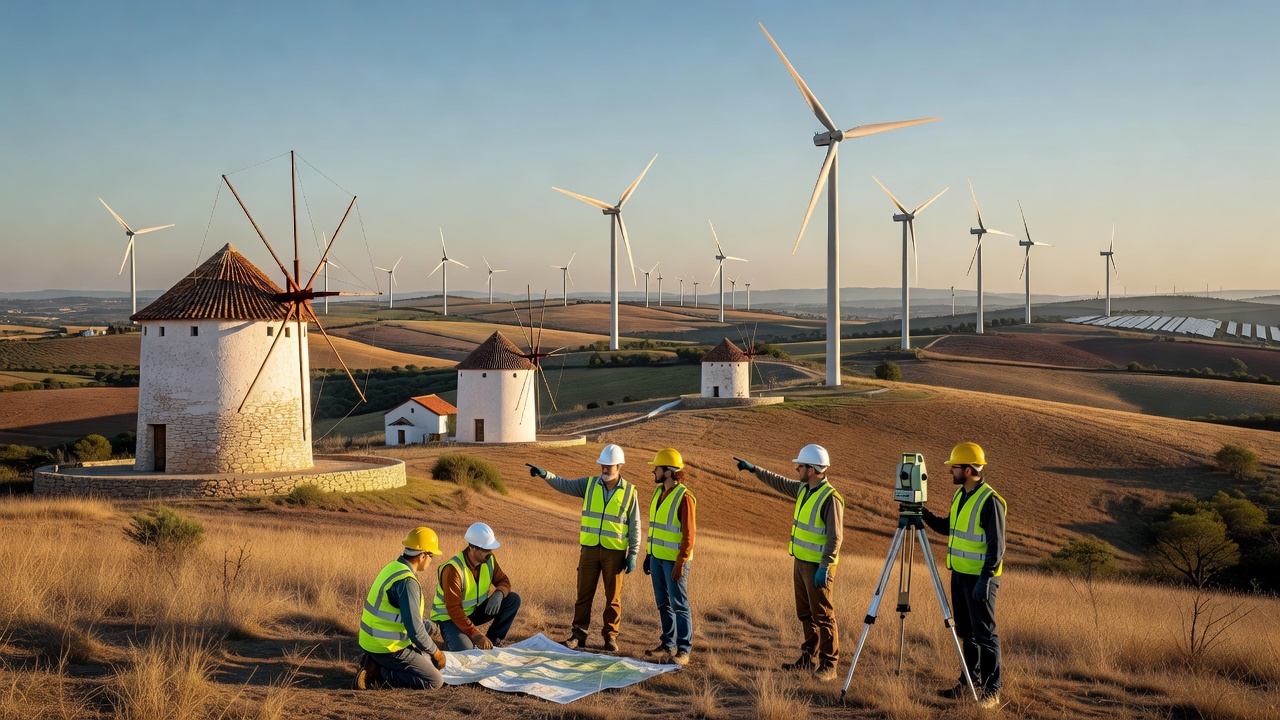
Recent data indicates that Portugal has installed over 5 gigawatts of wind power capacity, with plans to add another 3 gigawatts by the end of the decade. Solar energy projects are also accelerating, particularly in the southern regions where sunlight exposure is optimal. Investments from both public and private sectors have facilitated the construction of new photovoltaic plants, contributing to job creation in rural areas. Experts note that these expansions are crucial for meeting the national target of 80 percent renewable electricity by 2030. Challenges include grid integration and storage solutions, which are being addressed through innovative battery technologies and pumped hydro storage systems.
Furthermore, offshore wind initiatives are gaining momentum, with several pilot projects underway along the Atlantic coast. These developments not only boost energy production but also position Portugal as a hub for marine renewable technologies in Europe. Additional funding from EU grants has supported research into advanced turbine designs and efficiency improvements, further accelerating the adoption of renewables in Portugal's energy mix.
Collaborations and Future Outlook
Portugal is actively collaborating with Spain to enhance cross-border energy infrastructure, allowing for better distribution of renewable resources across the Iberian grid. This partnership is expected to improve energy security and reduce reliance on fossil fuel imports. Looking ahead, the country plans to invest in hydrogen production from renewables, aiming to export green hydrogen to neighboring countries. Policymakers emphasize the importance of community involvement and environmental assessments to ensure sustainable growth. Overall, these targets reflect Portugal's commitment to a greener future, potentially serving as a model for other regions seeking to transition to clean energy sources.