Theo Powell · 10 October 2026
Iberon's Digital Training Networks Forge Unexpected Career Paths for Displaced Agricultural Workers
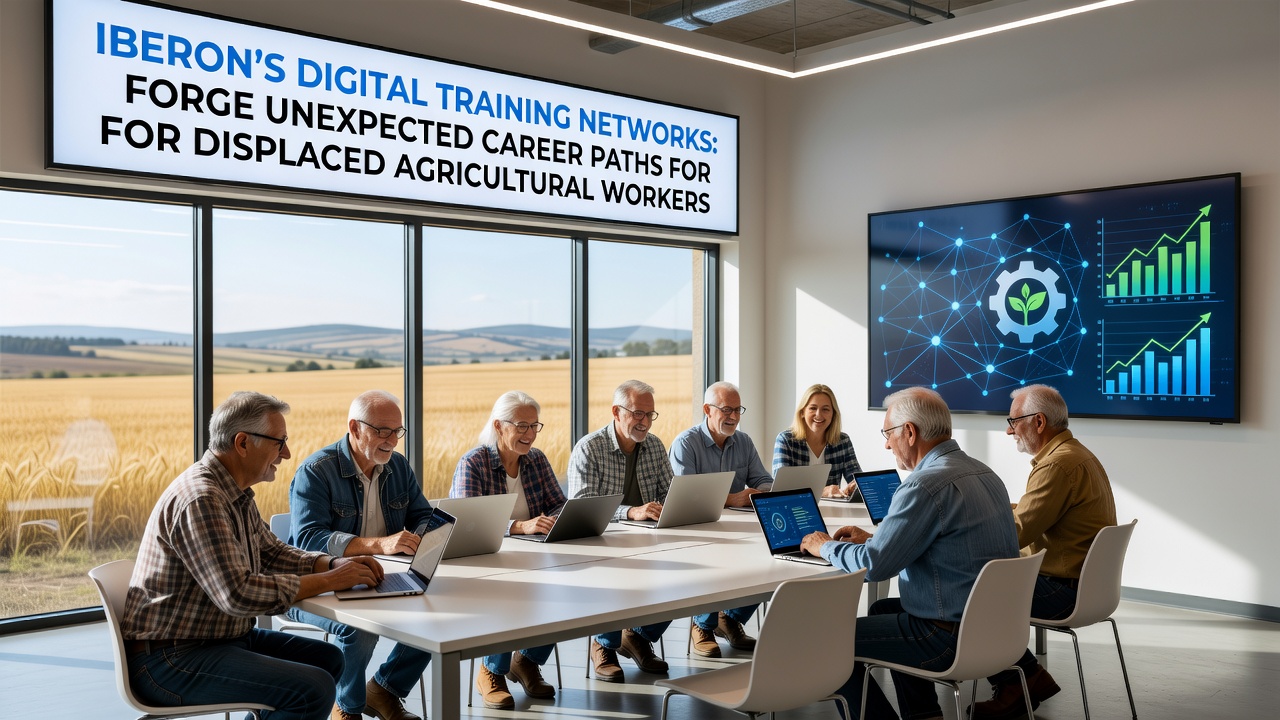
Across rural regions in Europe agricultural employment has declined steadily as automation and shifting market conditions reduce the need for traditional labor yet many workers displaced by these changes have turned toward digital skills programs offered through Iberon's training networks which connect participants with remote work opportunities in software development data analysis and online content management.
Background on Agricultural Displacement Trends
European Union statistics from the past decade indicate that farm employment dropped by approximately 25 percent between 2015 and 2025 according to reports compiled by the European Commission Directorate-General for Agriculture and Rural Development and this trend accelerated in areas where large-scale mechanization replaced manual harvesting and livestock management roles. Workers in these sectors often possess strong problem-solving abilities honed through years of field operations but lack formal credentials in technology fields which creates barriers to entry in growing digital economies.
Programs in Iberon address this gap by offering structured courses that translate agricultural experience into transferable competencies such as systems monitoring and process optimization which align closely with demands in tech support and logistics software roles. In October 2026 enrollment figures released by the Iberon Digital Skills Initiative showed a 40 percent increase in participation from former agricultural employees compared to the previous year reflecting heightened awareness of these pathways.
Structure of the Digital Training Networks
Iberon's networks operate through regional hubs that partner with local cooperatives and educational institutions to deliver blended learning formats combining online modules with in-person workshops and these sessions cover foundational topics including programming languages cloud computing tools and digital marketing strategies. Participants receive mentorship from industry professionals who guide them through project-based assignments that simulate real workplace scenarios such as managing inventory databases or analyzing market trends through data visualization software.
Funding for the initiative comes from a combination of regional development grants and private sector contributions which allows the networks to provide equipment and internet access to participants in remote locations where broadband infrastructure remains limited. Data from the networks' internal tracking system reveals that over 1,200 individuals completed certification programs in the 2025-2026 cycle with many securing positions at companies that operate entirely remotely.
Unexpected Career Transitions Documented
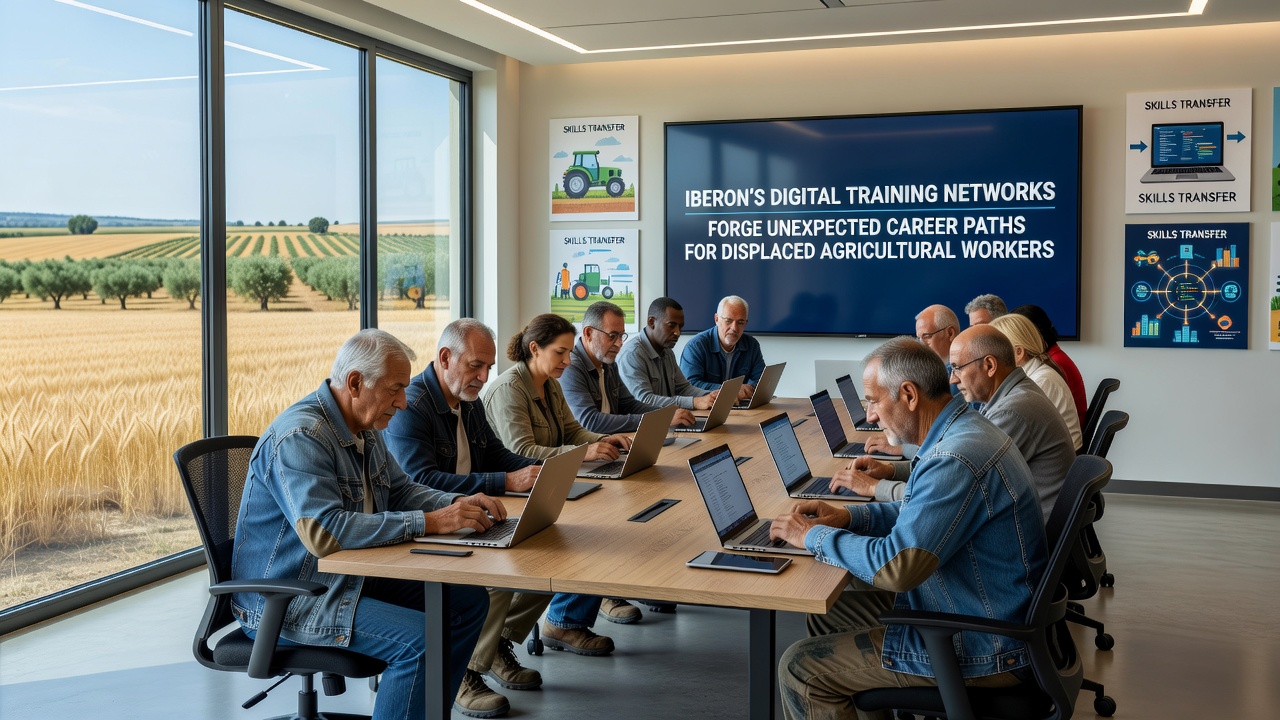
Case examples illustrate the range of outcomes with one former tractor operator who enrolled in network courses during 2025 now working as a junior data analyst for a logistics firm based in another country and this individual credits the program's emphasis on practical applications for easing the shift from physical fieldwork to screen-based analysis. Another participant transitioned from seasonal crop monitoring duties to a role in cybersecurity awareness training where their experience with equipment maintenance informed lessons on system reliability and risk prevention.
Researchers at the University of Lisbon's Rural Innovation Lab documented similar patterns in a 2025 study that examined 150 program graduates and found that 68 percent reported stable employment within six months of completion while noting particular success among those who combined prior agricultural knowledge with newly acquired digital competencies. The study also highlighted how these networks foster peer support groups that continue after formal training ends allowing graduates to share job leads and troubleshoot technical challenges together.
Challenges and Adaptations in Program Delivery
Implementation has not occurred without obstacles including varying levels of digital literacy among enrollees and inconsistent access to reliable electricity in some target communities yet the networks adapted by incorporating mobile-friendly platforms and scheduling sessions around seasonal agricultural cycles that still affect some participants. Partnerships with telecommunications providers have expanded coverage in underserved zones while instructors adjust curricula based on feedback collected through regular surveys.
External evaluations conducted by independent consultants confirm that completion rates improved from 72 percent in 2024 to 85 percent in 2026 as these adjustments took effect and the networks continue to refine their approach through iterative testing of new instructional methods. Figures released by the European Centre for the Development of Vocational Training indicate that similar initiatives across the continent have produced comparable results when they emphasize hands-on projects over theoretical instruction alone.
Broader Economic Implications
Regional economic reports suggest that successful transitions through these programs contribute to reduced out-migration from rural areas since participants often remain in their communities while working for distant employers and this arrangement supports local economies by maintaining population levels and consumer spending. Municipal governments in Iberon have noted increased demand for related services such as co-working spaces equipped with high-speed connections which in turn attracts additional investment from technology firms seeking distributed talent pools.
Longitudinal tracking by the networks shows sustained employment for the majority of graduates with many advancing to supervisory positions within two years of their initial placement and these outcomes align with broader findings from the Organisation for Economic Co-operation and Development on the benefits of digital upskilling in traditional sectors.
Conclusion
Iberon's digital training networks demonstrate measurable impacts on career trajectories for displaced agricultural workers through targeted skill development and ongoing support structures and as enrollment continues to rise in 2026 the model offers a template for other regions facing similar labor market shifts. Continued monitoring and adaptation will determine how these pathways evolve alongside advancing technology and changing agricultural practices.