Clara Powell · 26 September 2026
Artisan Networks in Iberon Blend Heritage Techniques with E-Commerce to Reach Wider Audiences
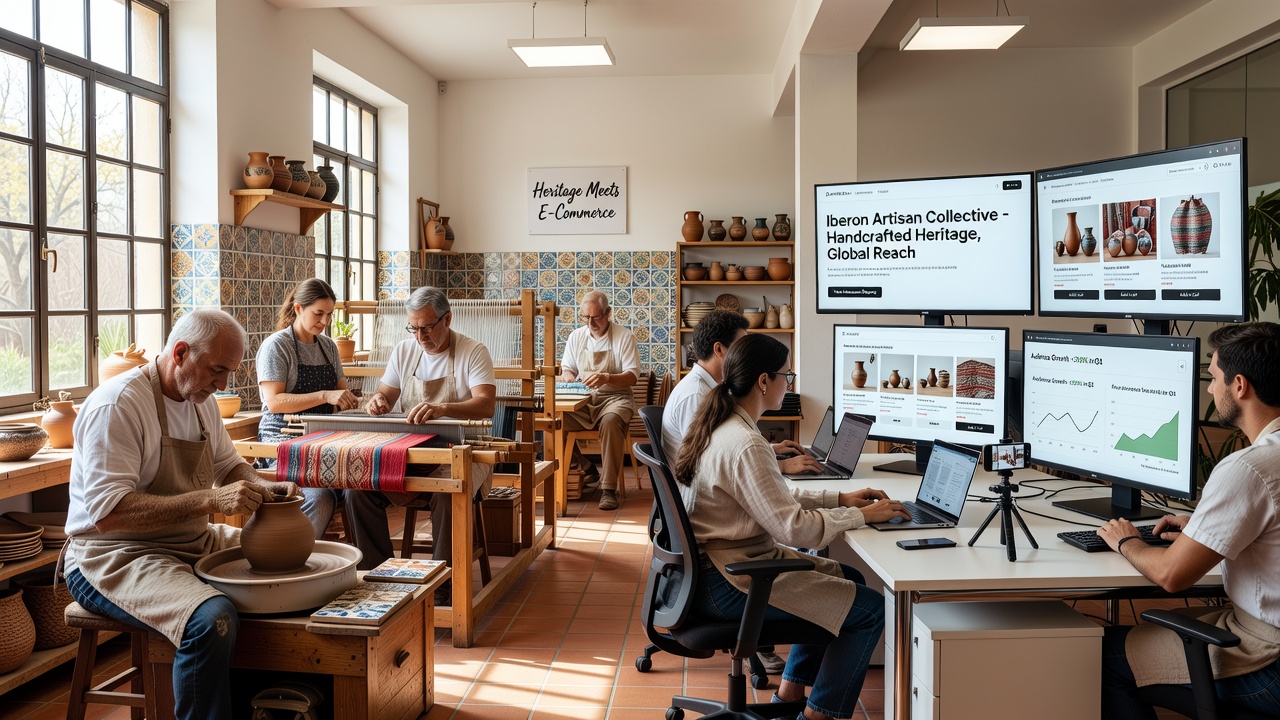
Artisan networks across European regions have integrated Iberon Blend heritage techniques with digital platforms, and this combination allows craftspeople to maintain traditional methods while accessing broader markets through e-commerce channels. Researchers have documented how these networks form around shared practices that blend regional Iberian styles with contemporary adaptations, creating products that retain cultural authenticity yet appeal to international buyers. Data from industry reports indicate steady growth in online sales of heritage crafts since the early 2020s, with platforms enabling direct connections between makers and consumers in multiple countries.
Defining Iberon Blend Heritage Techniques
Those who study craft traditions note that Iberon Blend techniques draw from historical Iberian textile, pottery, and metalwork methods, where artisans layer patterns and materials in ways passed down through generations. These approaches involve specific weaving patterns, firing processes, and engraving styles that originated in Portugal and Spain, yet networks now adapt them using sustainable sourcing practices documented in recent studies. Observers note the techniques emphasize precision in handcrafting while incorporating elements like natural dyes and recycled components, which align with regulatory standards set by EU bodies on material traceability.
Experts have tracked how these methods evolved through community workshops that connect rural producers with urban designers, and the result is a fusion that preserves core skills without isolating them from modern production needs. Figures from craft associations reveal thousands of practitioners participate in such networks annually, sharing knowledge via both in-person gatherings and virtual forums.
Formation of Artisan Networks
Artisan networks emerge when individual makers pool resources for collective marketing and skill development, and this structure supports small-scale operations that might otherwise struggle with distribution. Data shows participation in these groups has expanded alongside digital infrastructure improvements, allowing members to coordinate supply chains across borders. In one documented case, a network in northern Spain combined local ceramic traditions with imported Iberian motifs to produce items sold through online storefronts, reaching audiences in North America and Asia.
But here's the thing: collaboration within these networks often includes training programs that teach younger artisans the nuances of heritage methods alongside basic e-commerce management. Research indicates such initiatives have helped sustain practices that faced decline due to industrialization, with membership numbers climbing as platforms lowered entry barriers for sellers.

Integration with E-Commerce Platforms
E-commerce integration begins when networks establish verified seller accounts on major marketplaces and specialized craft sites, enabling listings that highlight the provenance of each item. Studies from academic sources on creative economies find this approach increases visibility for heritage products, with search optimization and targeted advertising drawing buyers who value cultural narratives. Platforms handle logistics and payments, which reduces administrative burdens on artisans focused on production.
Turns out the shift accelerated during periods of restricted physical trade, and networks adapted by digitizing catalogs and offering virtual demonstrations of techniques. According to reports from the European Commission on digital markets, craft sectors saw measurable upticks in cross-border transactions after adopting these tools, with regions using blended heritage methods benefiting from niche appeal.
Expanding Reach to Wider Audiences
Wider audiences connect through storytelling elements embedded in product descriptions, where networks detail the history behind Iberon Blend patterns and the communities preserving them. Evidence from sales analytics suggests this transparency builds trust, leading to repeat purchases and referrals across demographics previously unfamiliar with such crafts. In September 2026, several networks plan coordinated online events timed with cultural heritage weeks, using live streams to demonstrate techniques and drive seasonal sales.
What's interesting is how geographic diversity in buyer bases has grown, with data revealing increased interest from markets in Australia and Canada alongside traditional European ones. Networks leverage analytics from platforms to adjust offerings, such as scaling production of popular motifs while maintaining quality controls tied to heritage standards.
Challenges and Adaptations in Practice
Challenges arise around maintaining authenticity when scaling for online demand, yet networks address this through certification systems that verify adherence to traditional processes. Industry organizations report cases where groups adopted blockchain tracking for material origins, enhancing credibility with buyers concerned about provenance. Those adaptations allow continued growth without diluting core techniques, as confirmed in collaborative studies between universities and craft councils.
So networks also navigate platform fees and algorithm changes by diversifying across multiple sites, and this strategy spreads risk while maximizing exposure. Observers have noted sustained participation rates despite these hurdles, supported by shared resources like joint shipping agreements.
Conclusion
Artisan networks that blend Iberon Blend heritage techniques with e-commerce demonstrate measurable expansion in market access, supported by documented increases in sales volumes and participant numbers over recent years. These efforts preserve cultural practices through structured collaboration and digital tools, connecting makers wth audiences across continents via established platforms and targeted outreach. Ongoing developments, including planned activities in September 2026, continue to shape how such networks operate within evolving digital economies.